Asphalt Driveway Sealcoating in Augusta, GA
The Georgia sun takes the oils out of asphalt a little every day. Sealcoating puts a sacrificial layer between your pavement and that chemistry — and it's the difference between resurfacing at year twelve and year twenty-five.
Why asphalt turns gray here
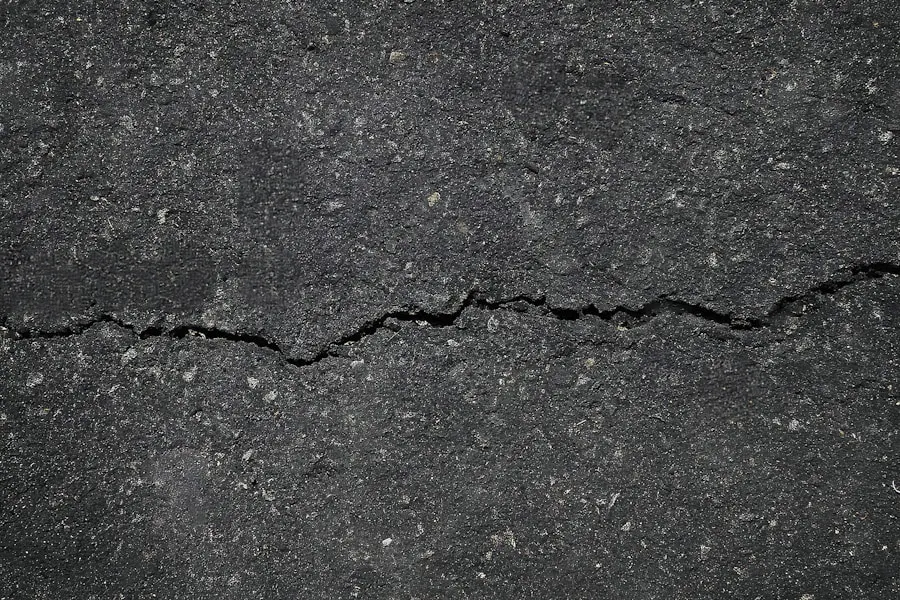
New blacktop is black because the aggregate is coated in asphalt binder — a petroleum glue that's flexible when fresh. Ultraviolet light breaks that binder down, and the CSRA gets a lot of ultraviolet. As the oils oxidize out, the surface fades to gray, loses its flex, and starts shedding fine gravel; then hairline cracks open, Georgia's afternoon storms pump water through them into the stone base, and the countdown to structural failure begins. None of that is bad paving. It's what sun and water do to unprotected asphalt on the 33rd parallel.
Coal-tar-free asphalt-emulsion sealer, squeegeed and sprayed in the right weather window, is the countermeasure. It restores the dark surface, blocks UV from the binder underneath, and sheds water off the top instead of letting it soak in. It's a wear layer — it sacrifices itself so the pavement doesn't.
The arithmetic that sells itself
| Spend | Typical cost | What it buys |
|---|---|---|
| Sealcoat every 2–3 years | $0.20–$0.50 per sq ft — a few hundred dollars for most driveways | UV and water protection; years added before resurfacing |
| Crack fill with sealcoat | modest add-on, priced by the foot | Keeps storm water out of the base — the actual killer |
| Do nothing until it fails | overlay $3–$7/sq ft; rebuild $8–$14 | The same driveway, bought again |
Put plainly: a decade of sealcoating on a typical driveway costs less than one-tenth of the repave it postpones. There's no other line item in home maintenance where the ratio is that lopsided, which is why the parking-lot industry — which measures pavement in acres and budgets in decades — seals on a fixed cycle without debate. Homeowners just rarely get shown the math. The other half of it — the full-depth driveway price table — is on the driveway page, so you can see exactly what a coat is protecting.
What a proper visit includes
- Cleaning that actually cleans. Sealer bonds to asphalt, not to pine pollen, red-clay dust, or oil spots. Blowing, scraping, and priming stains comes before anything black goes down.
- Cracks filled first. Hot rubberized filler in any crack wide enough to admit water — sealer alone doesn't bridge them. Wider failures get flagged for a repair estimate instead of being painted over.
- Weather watched. Emulsion sealer needs dry hours and warm pavement to cure. In an Augusta summer that means morning starts, an eye on the 3pm radar, and the honesty to reschedule rather than seal ahead of a storm.
- Clean edges. Cut lines at the garage slab, the street, and the sidewalk — the finished job should look striped-off, not mopped on.
Plan on staying off the surface on foot for a few hours and off it with vehicles until the next day. Ask for the timing in writing along with the year your next coat comes due — from Evans cul-de-sacs to Hephzibah acreage drives, the cycle is the same even where the soil isn't.
Seal it while it's still worth sealing.
Sealcoating across Augusta, Evans, Martinez, Grovetown & Hephzibah.
Call (706) 810-8884